What Aviation Business Owners Need to Know About Selling in 2026

You built something that runs on trust, FAA ink, and showing up every day for twenty years. Now everyone from your CPA to your golf buddy is telling you to "explore your options."
Fair enough. The market is actually favorable right now for aviation business owners thinking about a transition. But "exploring your options" in aviation is not the same as selling a chain of car washes or a regional HVAC company. The regulatory layer, the certification structure, and the operational complexity mean that who you sell to matters as much as what you sell for.
Here is what the landscape actually looks like, and what you should know before you take the first call.
The 2026 Market: What Is Happening and Why It Matters to You
Three forces are converging to create a seller-favorable environment in aviation's lower middle market.
Succession pressure is real. In the U.S. alone, roughly 10,000 baby boomers turn 65 every day. Thousands of them own aviation businesses. Flight schools, MRO shops, charter operations, FBOs, parts distributors. Most do not have a successor. Many have been thinking about it for years without acting. The longer you wait, the more fatigue factors into your negotiation.
Valuations are in a sweet spot. Lower-middle-market aviation businesses are trading at 20 to 40% below large-cap aviation multiples. That sounds like bad news, but it actually creates opportunity. Smart buyers are paying fair prices now because they see the upside in professionalizing and scaling these businesses. You are not selling at the bottom. You are selling into a market that is starting to wake up to the value of what you hold.
Regulatory complexity is increasing. New SMS mandates, tightening compliance requirements, and FAA modernization efforts are making it harder and more expensive to operate independently. This favors scale operators with institutional support. If you are feeling the compliance burden getting heavier every year, you are not imagining it. That burden is also making your certified, compliant operation more valuable to the right buyer.
What Buyers Actually Look For
Not all buyers are created equal, and not all of them will understand your business. But here is what a sophisticated aviation buyer evaluates when they look at your operation:
EBITDA margins and trends. Are you making money consistently? Is the trend flat, growing, or declining? A buyer wants to see at least two to three years of clean financials showing $2M or more in EBITDA. If your margins are around 25%, you are in strong territory for aviation services.
Customer concentration. If one customer represents more than 30% of your revenue, that is a risk factor. It does not kill the deal, but it compresses your multiple. Diversified revenue across multiple customers and contract types is what buyers want to see.
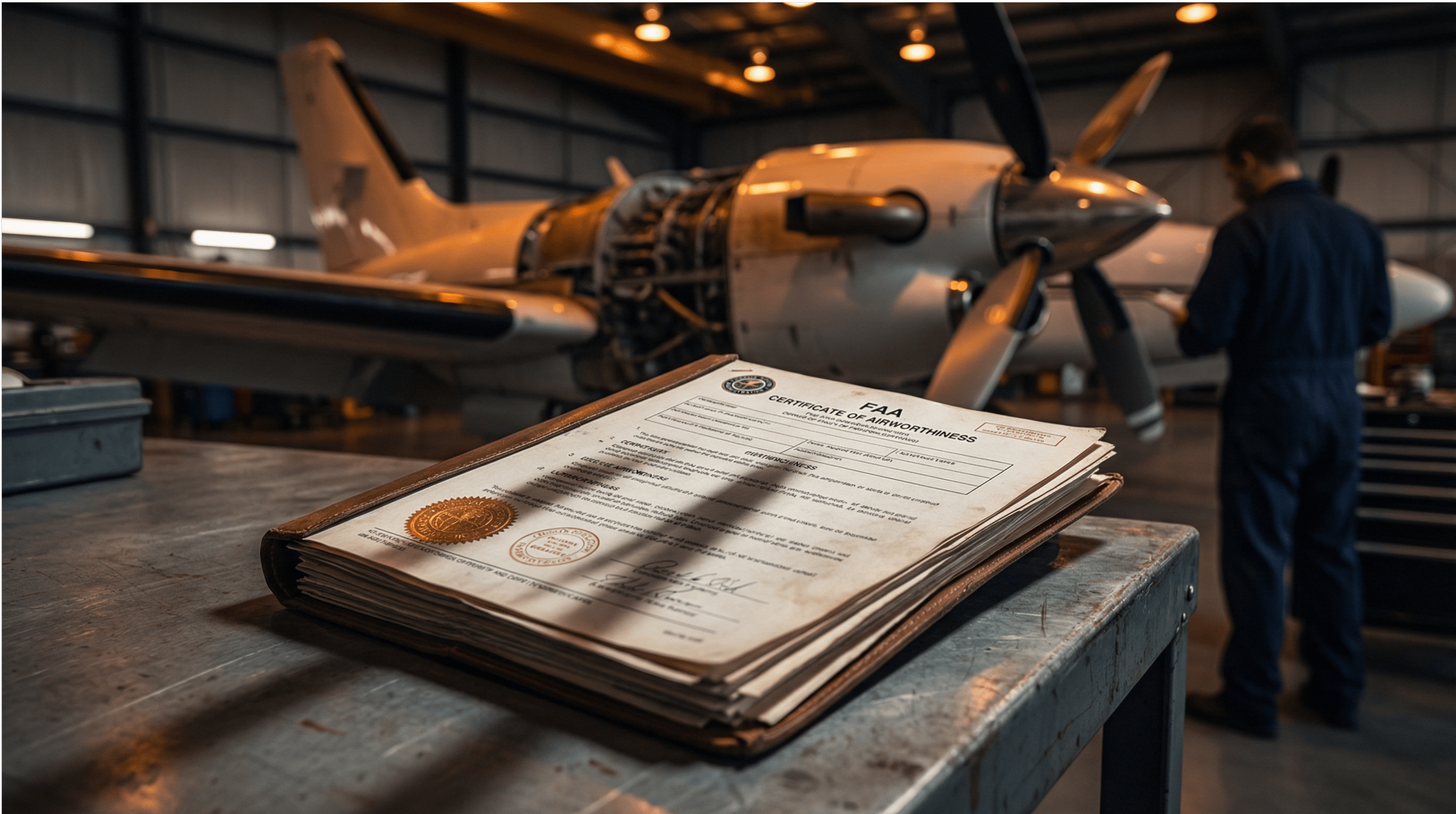
FAA certification status. This is where aviation is different from every other industry. Your certificates (Part 91, 135, 141, 145, or whatever you hold) are not just licenses. They are assets. A clean compliance history and a robust capability list can be the difference between a 4x and a 6x multiple.
Owner dependency. Here is the uncomfortable question: can your business run without you for 90 days? If the answer is no, you have work to do before going to market. The more dependent the operation is on you personally, the more risk a buyer absorbs, and the less they will pay.
Revenue mix. Recurring revenue (maintenance contracts, training programs, staffing agreements) commands higher multiples than project-based or transactional revenue. If you can show contracted or repeat revenue streams, that is gold.
The Mistakes We See Sellers Make
After years of operating in this space, the patterns are clear. Here are the most common mistakes aviation business owners make when they start thinking about selling:
Waiting too long. The best time to sell is when you still have energy and the business is performing. Selling from a position of fatigue or declining revenue puts you in a weaker negotiating position. If you are thinking about it, start the conversation now, even if the actual transaction is two years away.
Not cleaning up financials. Personal expenses running through the business. Inconsistent reporting. Revenue recognition that does not match industry norms. A buyer's diligence team will find all of it. Spend 12 to 18 months cleaning up your books before going to market. It is the highest-ROI activity you can do as a seller.
Underestimating your certificates. We talked about this above, but it bears repeating. If a generalist broker or appraiser is telling you your Part 145 shop is worth 4x EBITDA without adjusting for the certificate, they are wrong. Get a valuation from someone who understands what that certificate costs to replicate.
Talking to buyers who do not understand aviation. A generalist PE firm will ask you to explain what a Part 135 is. They will model synergies without understanding maintenance reserves. They will promise to preserve your legacy and then install a 28-year-old MBA as COO. You deserve a buyer who speaks your language.
How to Prepare
If you are serious about exploring a transition in the next one to three years, here is a practical playbook:
Get a confidential valuation from someone who understands aviation. Not a generic business broker. Someone who knows what your certificates are worth, what your maintenance contracts mean, and how your market position translates to enterprise value.
Normalize your EBITDA. Pull out the personal expenses, the one-time items, and the discretionary spending. Show what the business actually earns on a recurring basis. This is the number that drives your valuation.
Document your processes. SOPs, maintenance workflows, training curricula, customer onboarding, compliance procedures. The more documented and transferable your operations are, the less buyer risk and the higher your price.
Be honest with yourself about timeline. Are you ready to close in six months? Do you want to stay involved for two years post-close? Both are viable. But knowing your own answer before you start talking to buyers saves everyone time and builds trust.
The Right Conversation
Selling your aviation business is not like selling any other business. The regulatory layer, the operational complexity, and the human relationships that hold these operations together demand a buyer who has actually lived in this world.
We have sat in your seat. We have managed fleets, passed audits, navigated FSDOs, and built aviation businesses from the ground up. We know the difference between a clean compliance file and one that will blow up in diligence. We know what your people are worth because we have managed people just like them.
This is not a pitch. It is a standing invitation. When you are ready to have the conversation, we are here.
No pitch deck. No pressure. Just a confidential conversation between operators.
Continue Reading